 casinosignup.co
A slot built around falling blocks
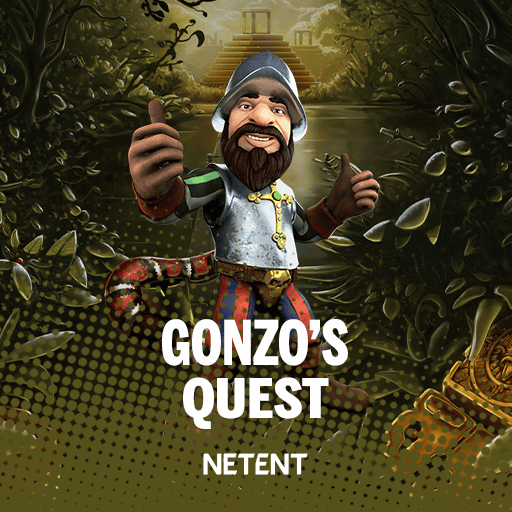
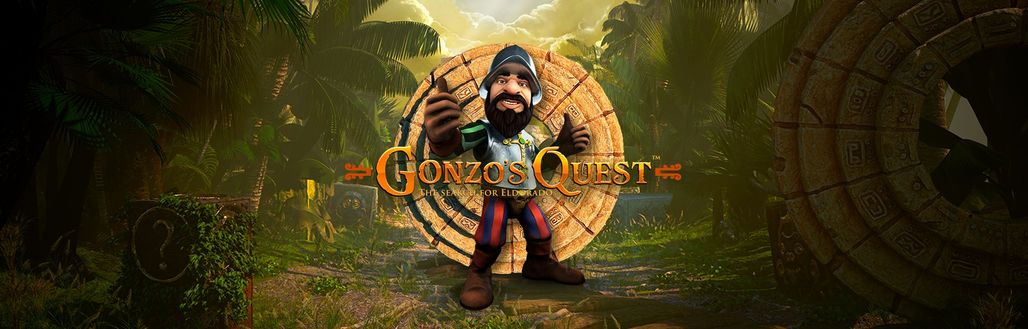
Gonzo’s Quest replaces the familiar spinning-reel feel with stone blocks that fall into place. The explorer and jungle setting give it a clear identity, but the important difference is what happens after a win: the winning blocks disappear and leave room for another arrangement.
NetEnt calls that sequence Avalanche. The original game uses a five-by-three layout and twenty paylines. It is a line game with successive drops, so do not mistake the falling blocks for a cluster-pay system just because the screen keeps changing.
Follow one Avalanche from beginning to end
Consecutive winning Avalanches increase the multiplier, up to 5× in the base game. When the sequence ends, the next paid action starts a fresh sequence. That reset is the detail worth watching in the demo; the animation can make separate stages feel like one continuous run.
Pause mentally at the final result and compare the total return with the stake that started the sequence. A cascade is an extra evaluation within that sequence, not a separate deposit or a new casino promotion. The help panel explains which line combinations qualify.
What the Free Falls feature adds
The supplier describes a Free Falls feature with ten free falls and a higher multiplier ladder, reaching 15×. Those are features inside the game. They are different from promotional spins an operator might put in a welcome package.
The demo is a convenient place to read the feature explanation without a real balance involved. You do not have to keep spinning until it appears: the rules panel tells you what to expect even when a short demonstration never reaches the bonus.
A useful comparison with other cascading slots
Try comparing this title with Sweet Bonanza. Both remove winning symbols and refill spaces, but their payout rules are different. In Gonzo’s Quest, identifying the paylines matters. In Sweet Bonanza, the relevant symbol count can be spread across the screen.
The product page lists a reference RTP of 95.97%; check the loaded game for its own configuration. Treat a short demo as a way to learn the interface, not an experiment that proves a return percentage. Virtual credits and feature frequency in one session cannot forecast a later result.